



Policy Briefs
Home/ Publications/ Knowledge & Studies/ Policy Briefs
Featured Articles
A collection of documents that support the implementation of the INOVASI program
Risalah Kebijakan EN
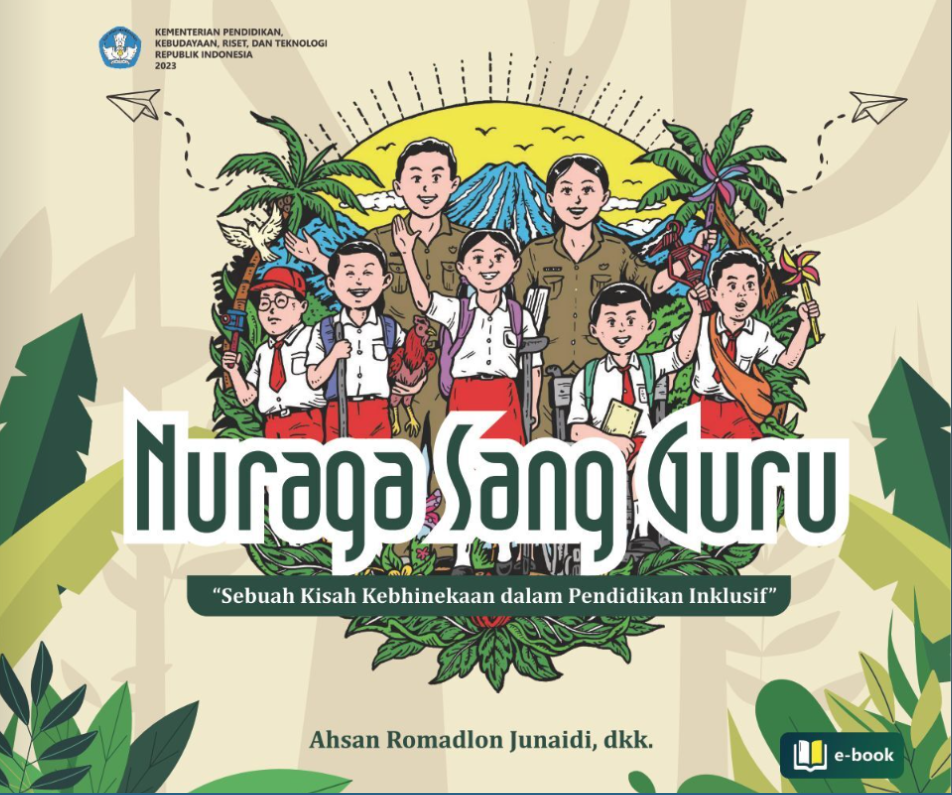
Nuraga the Teacher: “A Story of Diversity in Inclusive Education” Copy1
The implementation of inclusive education "Bhinneka Tunggal Ika" requires the acceptance of all parties towards the diversity of students with special needs, including students with disabilities. You can learn more about this through this digital
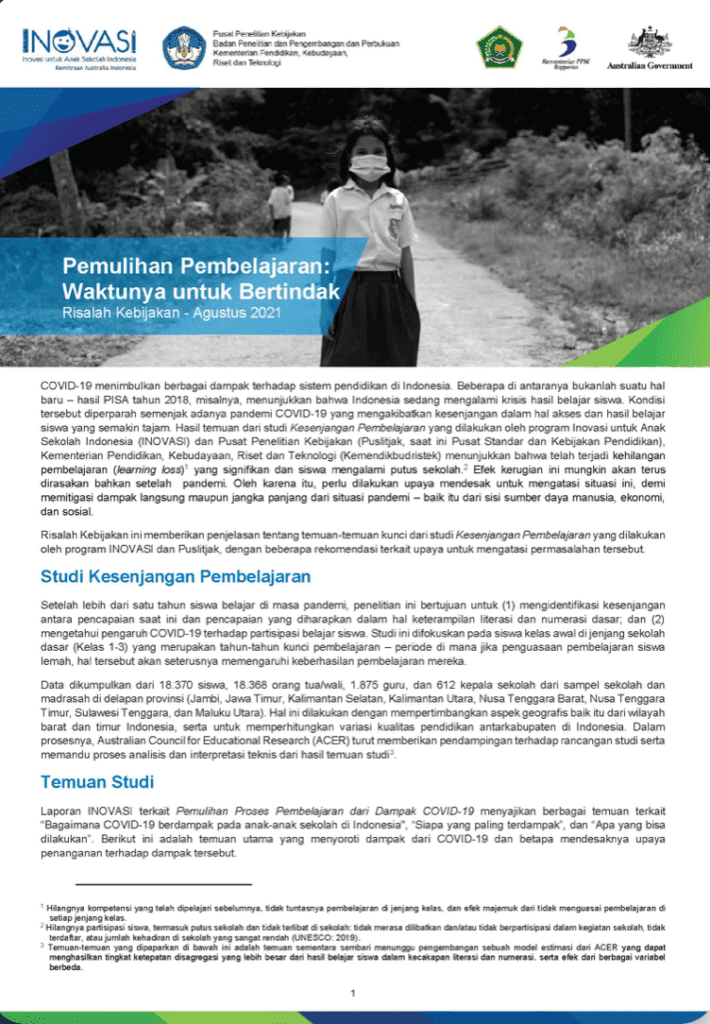
Learning Recovery: Time for Action
COVID-19 has had various impacts on the education system in Indonesia, including in relation to disparities in terms of access and student learning outcomes. A study conducted by the Innovation program for Indonesian School Children
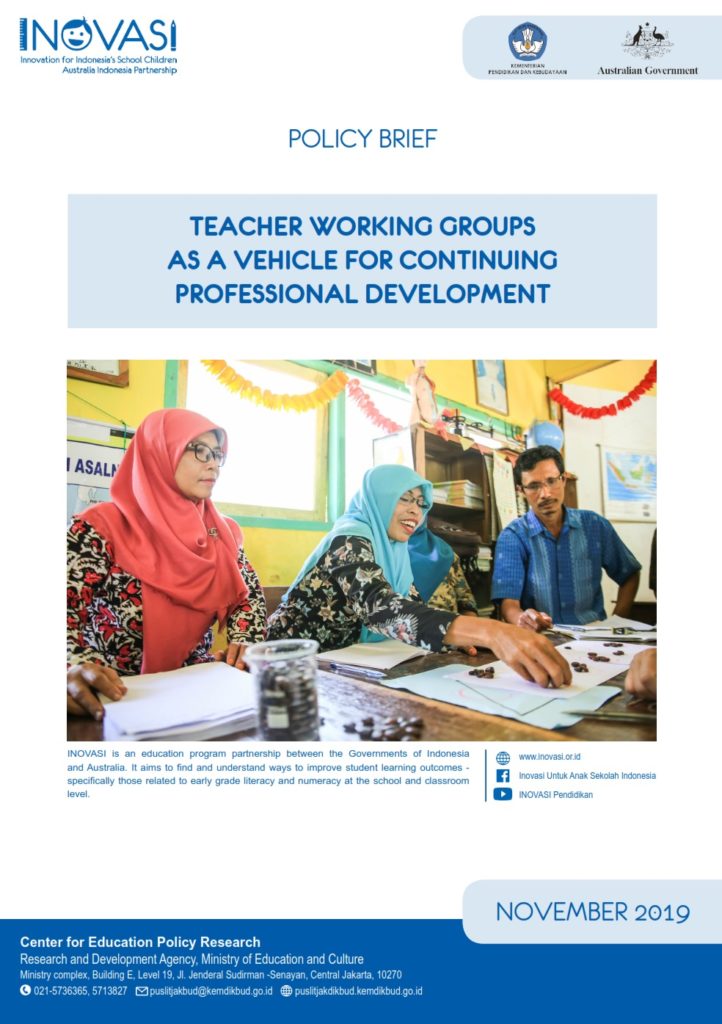
Policy Brief: Improving Teacher Working Groups in Indonesia, October 2019
The Indonesian system of school clusters (gugus) and teachers’ working groups (kelompok kerja guru or KKG) is well established, but is not yet used to best effect as a vehicle for teachers’ professional development. In 2017,
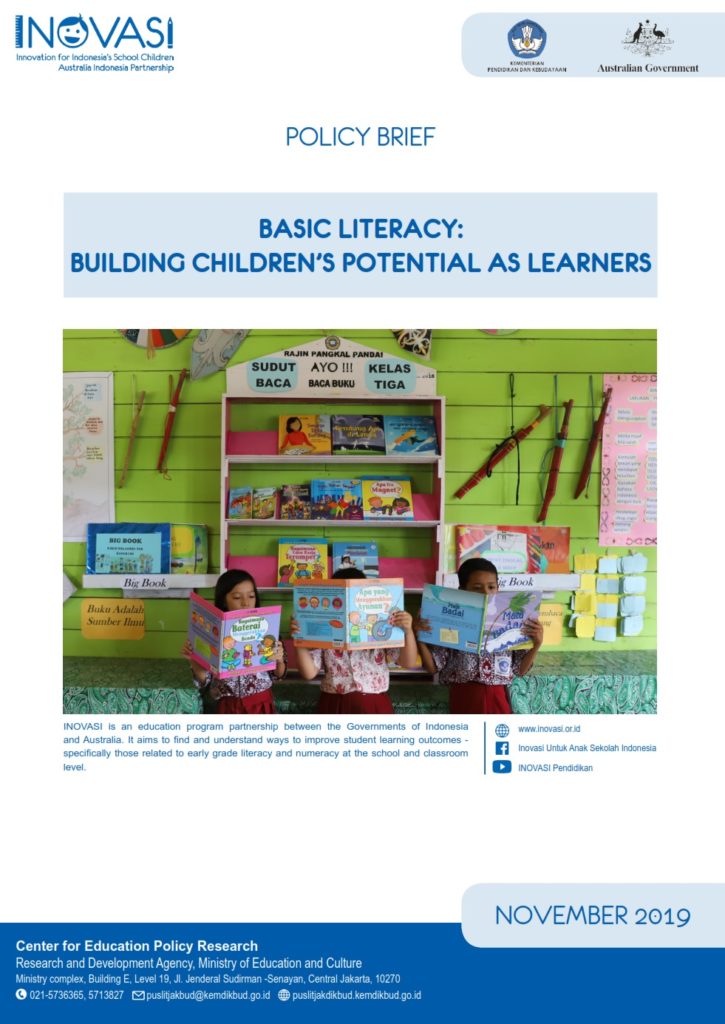
Policy Brief: Early Grade Literacy in Indonesia, October 2019
Basic literacy is the foundation for all learning, including for science, technology, mathematics, character education and higher-order thinking. Literacy is recognised as a key skill for the 21st century, and the national literacy movement (Gerakan

Policy Brief: Assessment for Improved Learning Outcomes, October 2019
An effective assessment system provides students, teachers, parents and government with valid and reliable information about learning outcomes. Assessment informs teachers’ planning so they can tailor lessons to students’ needs, it improves accountability, providing a

Policy Brief: Mother Language Transition in Education, October 2019
Research from the Global Education Monitoring body, appointed by UNESCO, found that 40 per cent of the world’s population don’t access education in a language they understand. This situation occurs in Indonesia on an even

Policy Brief: Inclusive Education, October 2019
Education for all has been Indonesian policy since it was first agreed in 2000 through the Dakar Declaration. Responding to the agreement, the Government of Indonesia implemented an education-for-all program in the 2000–2015 period. The
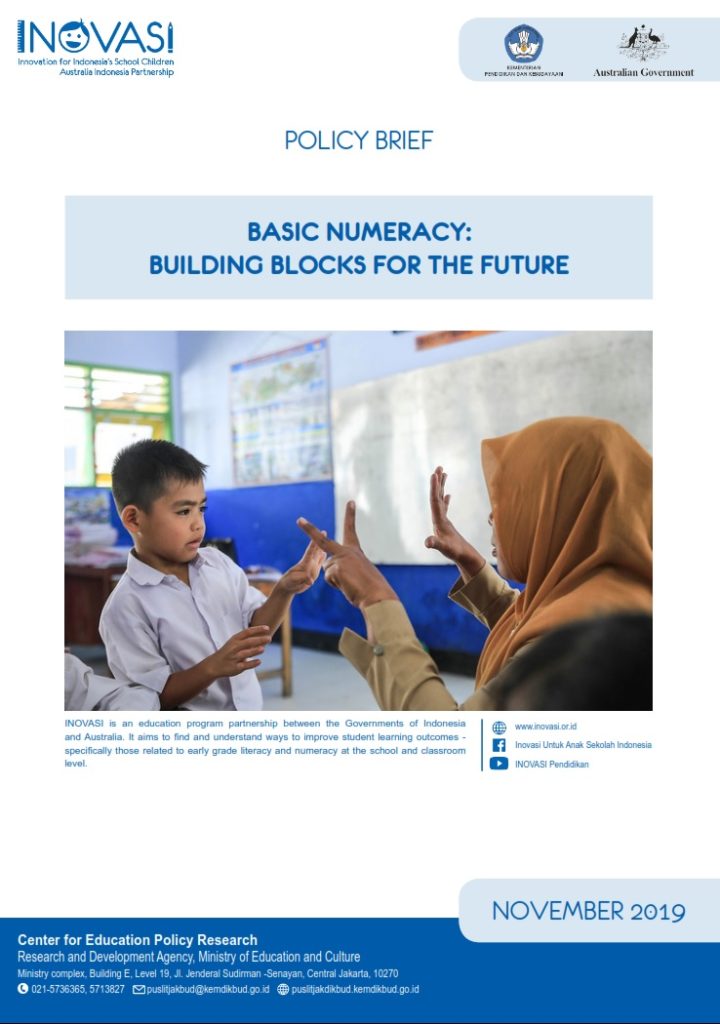
Policy Brief: Early grade numeracy, October 2019
The relationship between a skilled work force and the achievement of basic competencies in literacy and numeracy is an important one, underpinning higher order thinking skills (HOTS) such as critical thinking and problem solving. Simply
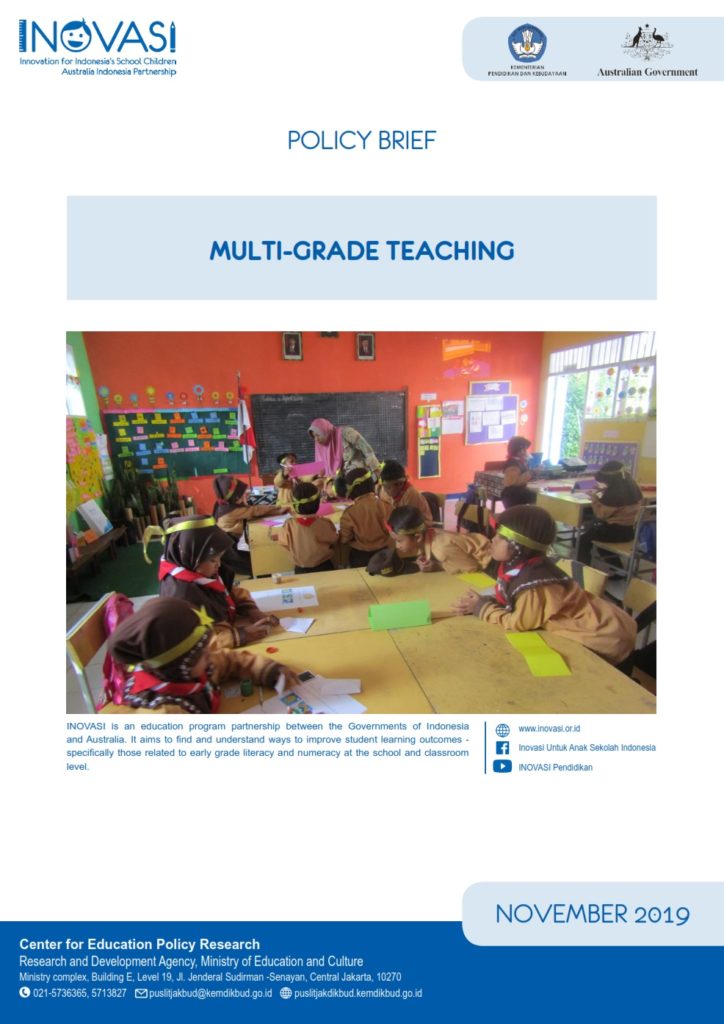
Policy Brief: Multi-Grade Teaching, October 2019
According to the World Bank, over 30 per cent of the world’s children are taught in multi-grade classes. In many small primary schools and madrasah in Indonesia, there is no option other than to group children in
Digital resources